
When it comes to the overall sensory system, vestibular and proprioceptive inputs play a huge role in its function. Without understanding them, most kids have issues that are either passed off as something else or not treated, which can cause huge problems. Learn what vestibular and proprioceptive inputs are as well as several sensory activities to help manage them.
What is Vestibular Input?
Without sounding too encyclopedia-ish, vestibular input is the sensation caused by any change in position (direction or movement) of the head. This sensory system is made up of canals filled with tiny hairs and a bit of fluid. When our head moves, the fluid acts as triggers that when touched by the hair become receptors that tell the brain the body is moving.
Children seeking vestibular input will constantly be on the move because they want to max it out, so to speak. These children can be found climbing super high, spinning, swinging, and hanging upside down. They are known as sensory seekers.
Vestibular input is important because it also affects other areas, such as visual motor skills and body awareness. All children need time rolling and spinning to teach their brains where their body is in space. Seekers need it on a much higher level.

What is Proprioceptive Input?
Proprioceptive input is the sensation gained by body awareness through the movement of joints, muscles, and connective tissues. Think in terms of pushing, pulling, and lifting heavy objects. The connection this input makes with vestibular input is making the body aware of where it is in space.
Proprioceptive input is important because of its regulatory role in self-regulation, posture, body awareness, coordination, speech, and the ability to focus. While this input can be calming for some, many autistic children seek this input to help regulate their emotions.
On the other side, there are some children who are over responsive to proprioceptive input and avoid certain kinds of activities. By now you can see how these two inputs work together and deserve attention for the child who experiences challenges.

Indicators for Children Seeking Vestibular & Proprioceptive Inputs
Vestibular-Seeking Input Indicators
For children seeking this kind of input, they are fixated on certain movements because their brain is under processing vestibular input. Signs of this are:
- Never getting dizzy.
- Always running and moving.
- Frequently spinning.
- Climbing extremely high.
Indicators for Proprioceptive-Seeking Input
This kind of input can be alarming to children who are overwhelmed by sensory stimulation. In essence, you may see some of the signs listed below;

- Biting and/or chewing on objects.
- Enjoys playing roughly.
- Likes to sit with knees tucked.
- Toe walks.
- Bangs body part.
Sensory Activities for Enhancing a Child’s Vestibular & Proprioceptive Input
Both of these inputs can be worked simultaneously or individually. In most cases, these activities can act as a calming technique in addition to being stimulating and arousing. The best way to gauge what your child needs is to pay attention to how they respond to the activities.
Modify them as you see fit. And although some suggestions are being provided for you below, don’t hesitate to create your own.
Vestibular Input Activities
- Rocking on an exercise ball.
- Practice yoga techniques.
- Pretend to row in a boat (rocking back and forth).
- Skipping.
- Galloping.
- Running.
- Jumping rope.
- Hand stands with feet against the wall.
- Cartwheels.
- Jumping on a trampoline
- Roller skating.
- Riding a bike.

Proprioceptive Input Activities
- Crawling. (weight bearing)
- Push ups. (weight bearing)
- Playing tug-of-war (pushing and pulling). (resistance)
- Carrying boxes or books. (heavy lifting)
- Running. (cardiovascular)
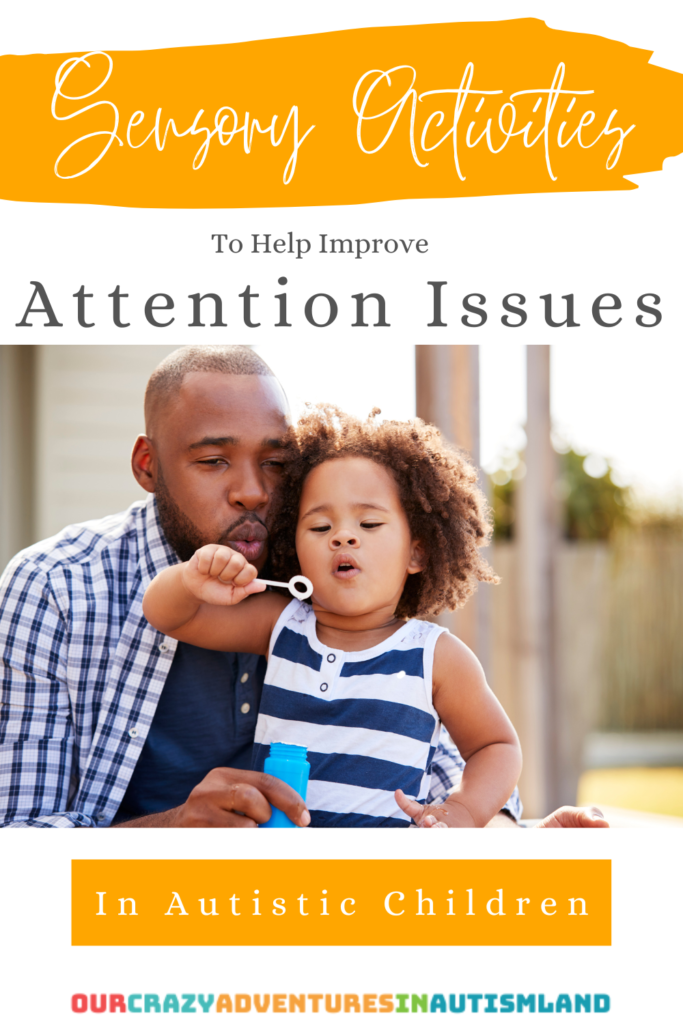
- Blowing bubbles. (oral)
- Tight hugs. (deep pressure)
When should you do these activities?
If you have identified your child’s triggers, you should begin an activity before they show signs of anxiousness or distress. Incorporate the activities naturally into the child’s schedule to help keep the flow of other activities already established.
Give your child cues they can use to help identify when they may need to do an activity. Consider labeling it something as simple as a “calming activity” and provide a visual support cue as well. This support can also be used to point out a particular activity your child wants to do.

When it comes to how often these activities should be done, it will depend on the sensory need of the child. Regardless, the activities do not need to be long as short activities aka “brain breaks” have shown to be most beneficial. Activities can last anywhere from 30 seconds to a couple of minutes.
In exploring ways to support your child’s well-being, it’s essential to consider not only sensory activities but also emotional and spiritual support. Some individuals find fulfillment and purpose in professions that focus on providing this kind of support to others. Becoming a chaplain through professional chaplain organizations can be a meaningful path.
It may be hard in the beginning to figure out what activities your child needs. Whatever you do, be sure to include your child’s suggestions and keep trying until you find what works.