
Camping is one of those things that everyone should experience at least once in their life. Even if they end up hating it more than a dose of gastric flu. And it is especially important that kids get to experience the magic of nature sleeping under the stars, exploring hiking trails and hanging out by the river, because it shows them that there is more to life than screens, right?
The thing is, when your child is autistic, camping can be a bit….well, trickier, right? That of course, does not mean they have to forgo the experience entirely. It just means you need to plan it carefully. Here are some tips to help you do just that.
1. Pick the Right Location
Where you’re staying is really important when you have a child who might not do so well with loud noises and unexplained sounds, right? So, the most important part of planning your camping trip is finding a good spot that is beautiful but also fairly serene ( maybe even an RV Park, where you can retreat to a more controlled indoor space when needed) and which will not spook your child too much. A safe base can make all the difference to how your kid enjoys the experience.
2. Do a Practice Run at Home
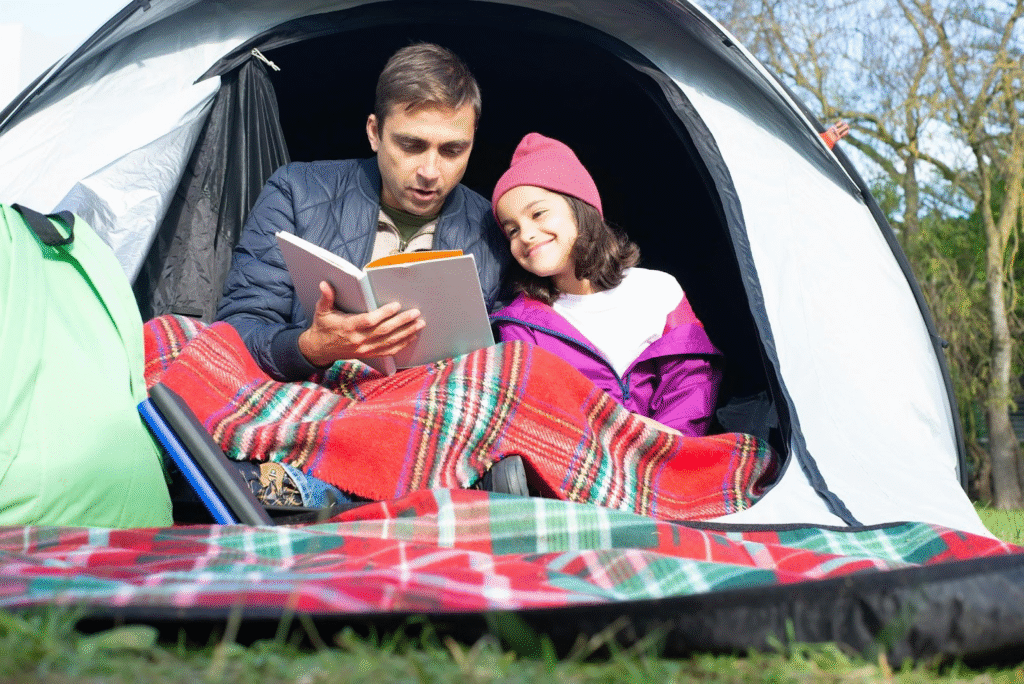
Set up a tent in the backyard or even in the living room. Let your child explore the gear, hear the zipping of the tent, and practice using a sleeping bag. A mini “trial run” helps take away the shock of a brand-new experience.
3. Stick to Familiar Routines (as Much as Possible)
Camping doesn’t mean throwing your child’s entire routine out the window. Stick to familiar mealtimes, bedtime rituals, and comfort items. If your child loves a particular bedtime story or stuffed animal, it’s non-negotiable – it comes along. Consistency can anchor them when everything else feels different.
4. Prepare for Sensory Overload
Nature is full of unexpected sounds from rustling leaves and chirping crickets, to sudden wind gusts. For some autistic children, this can be overwhelming. Pack noise-cancelling headphones, sunglasses, and weighted blankets if they help. Having a “sensory toolkit” ready lets you handle the unexpected calmly.
5. Plan Activities They’ll Actually Enjoy
Not every child wants to hike six miles or join a group singalong. Think about what your child loves – collecting rocks, spotting birds, swimming, or helping with campfire cooking – and build the trip around those interests. When they’re engaged in something they love, the whole experience becomes more positive.
6. Have an Exit Strategy
Even the best-prepared plans can hit a wall. Maybe your child has had enough for the day or is feeling overwhelmed. Have a plan B, whether that’s retreating to your tent for quiet time, heading back to your car, or calling it a night early. Flexibility is your best friend.
7. Celebrate Small Wins
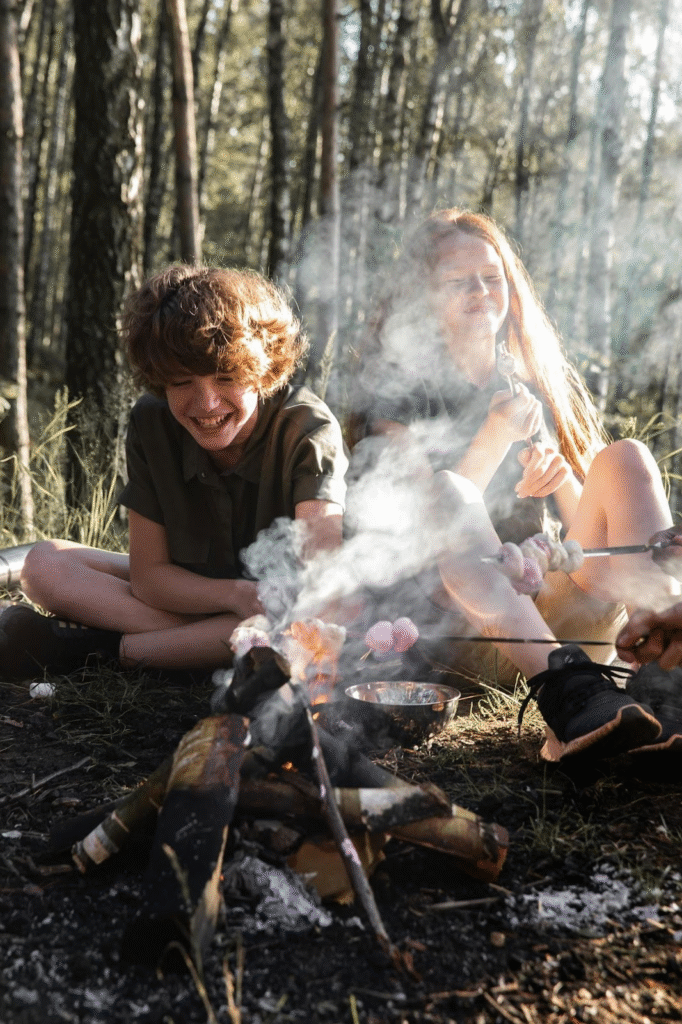
Maybe your child roasted a marshmallow for the first time, or maybe they simply managed to fall asleep in the tent without a meltdown. Celebrate those moments. The goal isn’t a “perfect” camping trip; it’s creating positive memories and building confidence for the next one.
As you can see, camping with your autistic child does not have to be stressful. Not if you put the time in to plan it carefully, and actually, it can be one of the most rewarding experiences they ever have. So, if you’ve been thinking about taking them out into the great outdoors, don’t put it off any longer. I hope you all love it!